Protect the asset first. Then grow it.
The direct channel’s front door is the store, and Rubio was rebuilding theirs everywhere at once: a CMS migration consolidating 14 territories into one backend, with a different agency attached to nearly every market and nobody holding the whole picture.
Onelink held it. We led the migration across all 14 territories, set the standard every market followed, and landed the UK with one rule, nothing gets lost: rankings protected, revenue held, tracking rebuilt properly in Rubio’s name. While it landed, the UK acquisition strategy was built in the background, ready to fire the day the new store went live.
Unglamorous work, and the reason everything after it compounded instead of recovered.
Owning the questions woodworkers ask.
A premium product carries a premium question: why pay more? The buyer researching wood finishes has a dozen of them, which oil for oak, how far does a litre go, hardwax versus varnish, and whoever answers those questions frames the purchase before any price comparison happens.
Keyword research showed the UK opportunity was bigger than anyone had sized. We built the landing page programme and content to own it: pages for the products, answers for the questions, optimisations across everything already ranking.
Every position won is a stream of high-intent buyers arriving with no ad auction, no reseller margin, and the education already done, which for a premium product is the sale half-made.
The woodworking corner of the internet is real. We moved in.
Persona mapping found exactly where Rubio’s buyer lives: a thriving niche of woodworking content across TikTok, Instagram and YouTube, makers, joiners and restorers with engaged audiences who trust process videos more than any advert.
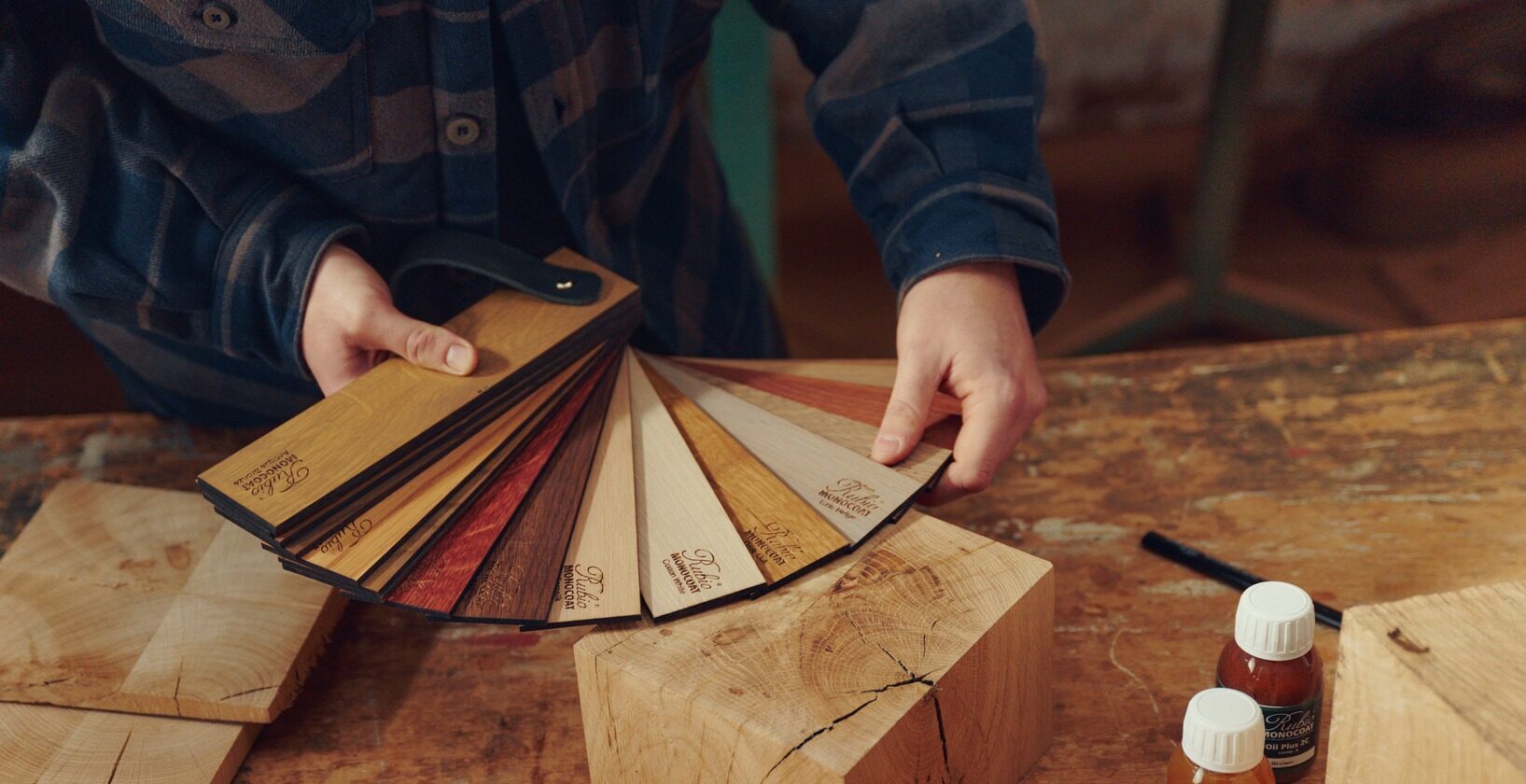
So the creative came from there. Real makers using Rubio on real projects, the pour, the finish, the before-and-after, licensed and run as paid across TikTok and Meta. Proof beats polish anywhere, but for a premium product against cheaper generalists it’s the whole argument: you don’t explain why it costs more, you show what it does.
Paid search was restructured to harvest what the content planted, product terms defended, buying moments won, and the account tuned for Rubio’s real priority: not growth at any price, but efficient growth that holds at premium margins.
Measured like owners, because owners were watching.
A PE-backed business doesn’t want ROAS theatre, it wants to know if the channel is genuinely profitable. So reporting was rebuilt around ROMS, return on marketing spend with ad budget and agency fees included. No flattering the number by hiding the cost of the people running it.
Rubio’s growth was a brand story as much as a sales one, we built a cross-territory brand awareness dashboard: one view of brand presence in every market, tracking what the creative activity was actually doing to it. Demand creation is easy to claim and rarely measured. This measured it.
That honesty bought confidence, and confidence bought scale: with true profitability and brand movement visible in one place, budget decisions got faster and bolder.
Direct, without declaring war on the trade.
Here’s the part manufacturers worry about most, and the reason this engagement worked: the direct channel was built to be additive. The trade still funds the P&L, and nothing in this strategy fought them for the same sale. Direct won new audiences the resellers were never reaching, the TikTok woodworker, the weekend restorer researching at 11pm, the buyer who’d never walk into a trade counter.
And every direct sale banked something no reseller sale ever had: the customer’s name, their project, their consent, their next purchase. The revenue was the result. The data asset is the compounding return.